 (423) 440-7073
 info@truedgelawn.com
The Different Types Of Retaining Walls & Their Benefits
Common Types of Retaining Walls
Gravity Retaining Walls: Simple Yet Effective
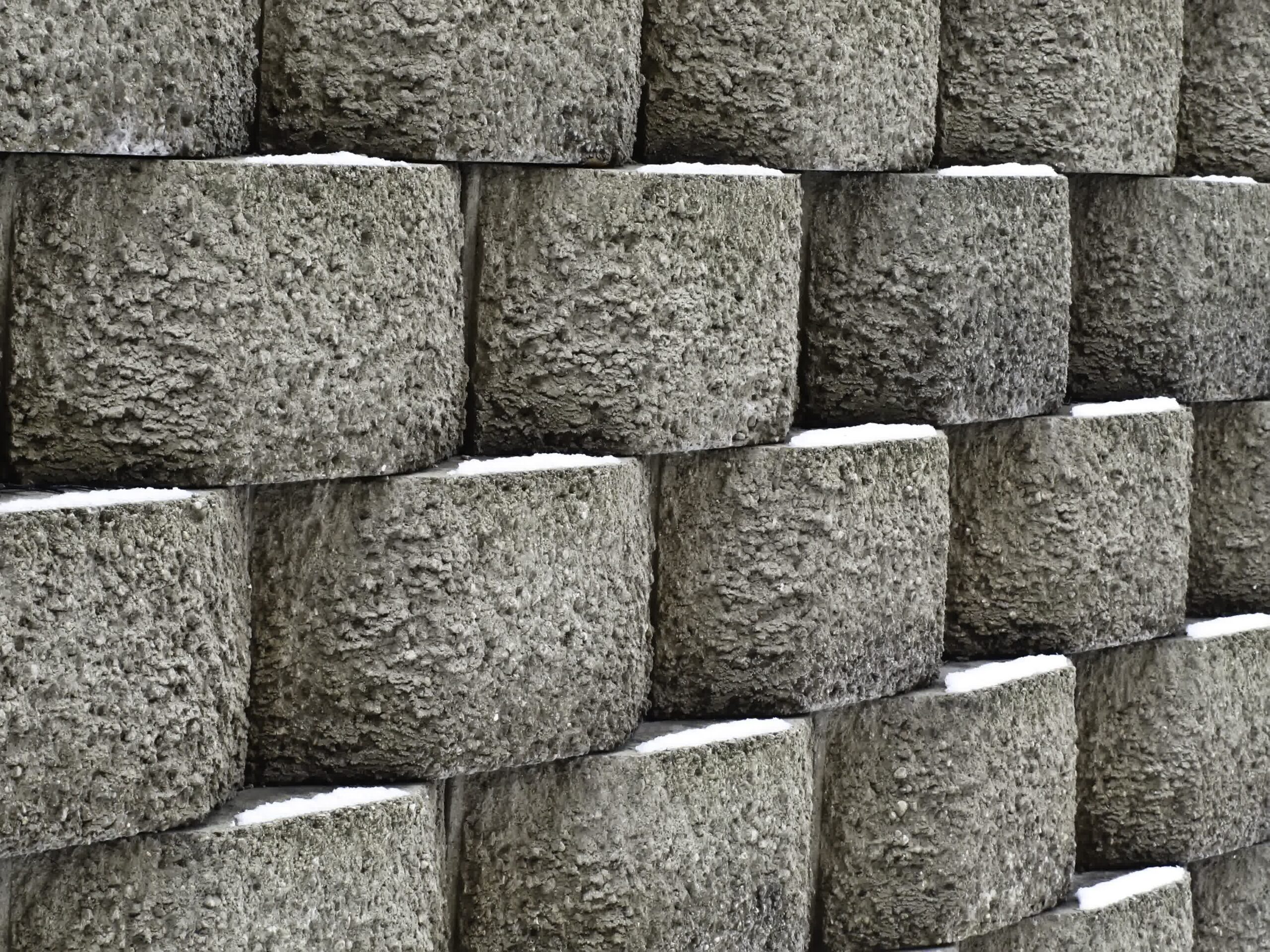
Gravity retaining walls are one of the most common types of walls used in landscaping. These walls rely on their own weight to resist the pressure of the soil behind them. Because of their straightforward construction, gravity walls are typically made from heavy materials such as concrete blocks, stones, or bricks. Their simplicity makes them a popular choice for residential landscaping, particularly when the height of the wall doesn’t exceed a few feet.
One of the main benefits of gravity retaining walls is their low maintenance. Since they don’t require any additional reinforcement, such as tiebacks or geogrid systems, they are easier to install and more affordable than other types of retaining walls. Additionally, these walls are durable and long-lasting, with the materials used being resistant to weather and wear. They are ideal for creating small terraces or flower beds, offering an aesthetically pleasing, solid structure that complements natural surroundings.
Cantilevered Retaining Walls: Stability and Strength
Cantilevered retaining walls are designed with a more advanced structure compared to gravity walls. These walls consist of a vertical stem, which is connected to a base slab that extends behind the wall. The structure uses the weight of the soil behind the wall to prevent it from tipping forward, allowing for the construction of taller walls. This type of retaining wall is typically made from concrete, and is reinforced with steel to enhance its stability.
The main benefit of cantilevered walls is their ability to handle higher loads than gravity walls. This makes them an excellent choice for applications where a taller, more robust retaining wall is necessary, such as in hilly terrains or areas prone to erosion. Cantilevered walls can also be customized with various finishes, such as exposed aggregate, giving them a sleek, modern look while providing the strength needed for larger projects. For homeowners who need to retain soil at higher elevations, cantilevered walls are a strong and long-lasting option.
Segmental Retaining Walls: Flexibility and Versatility
Modular Design for Customization
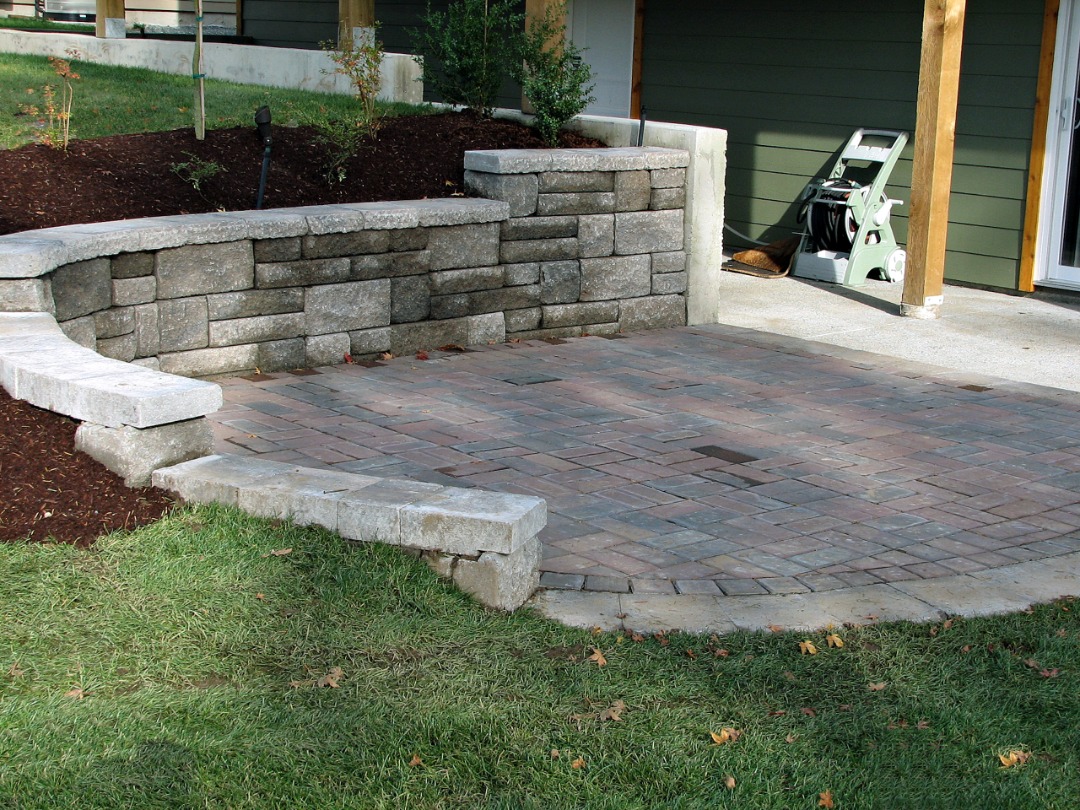
Segmental retaining walls (SRWs) are made up of interlocking blocks that form a modular structure. These blocks are typically made from concrete and are designed to fit together like a puzzle, creating a seamless and stable wall. The blocks are placed without the need for mortar, which gives them a more flexible and adaptable nature compared to other types of walls. This unique design allows homeowners to easily customize the wall to fit their specific needs and preferences.
The modularity of segmental retaining walls offers incredible versatility. These walls can be constructed to accommodate both low and high elevations, and their design makes it easy to adjust the size, shape, and color of the blocks. As a result, they can be used for a wide range of landscaping projects, from simple garden borders to more complex applications like terracing or controlling erosion on steeper slopes. Whether you’re working on a small residential garden or a large commercial property, SRWs can be tailored to suit the project’s unique requirements.
Durable and Adaptive Performance
One of the significant benefits of segmental retaining walls is their ability to adapt to shifting ground conditions. Unlike traditional masonry walls, which can crack and fail when the underlying soil shifts, segmental retaining walls are designed to move with the earth. The interlocking design allows the blocks to shift slightly without compromising the integrity of the wall. This makes SRWs an excellent choice for areas with fluctuating weather conditions or where soil movement is a concern.
Segmental retaining walls are incredibly durable. They are built to withstand extreme weather, including heavy rainfall, freezing temperatures, and heat, without deteriorating over time. The variety of finishes available—such as textured, smooth, or stone-like appearances—also makes it easy to match the retaining wall with the overall aesthetic of your outdoor space. Homeowners can choose from a range of colors and styles to create a visually appealing landscape feature that enhances their property.
Anchored Retaining Walls: Added Support for Extreme Slopes
Designed for Extreme Conditions
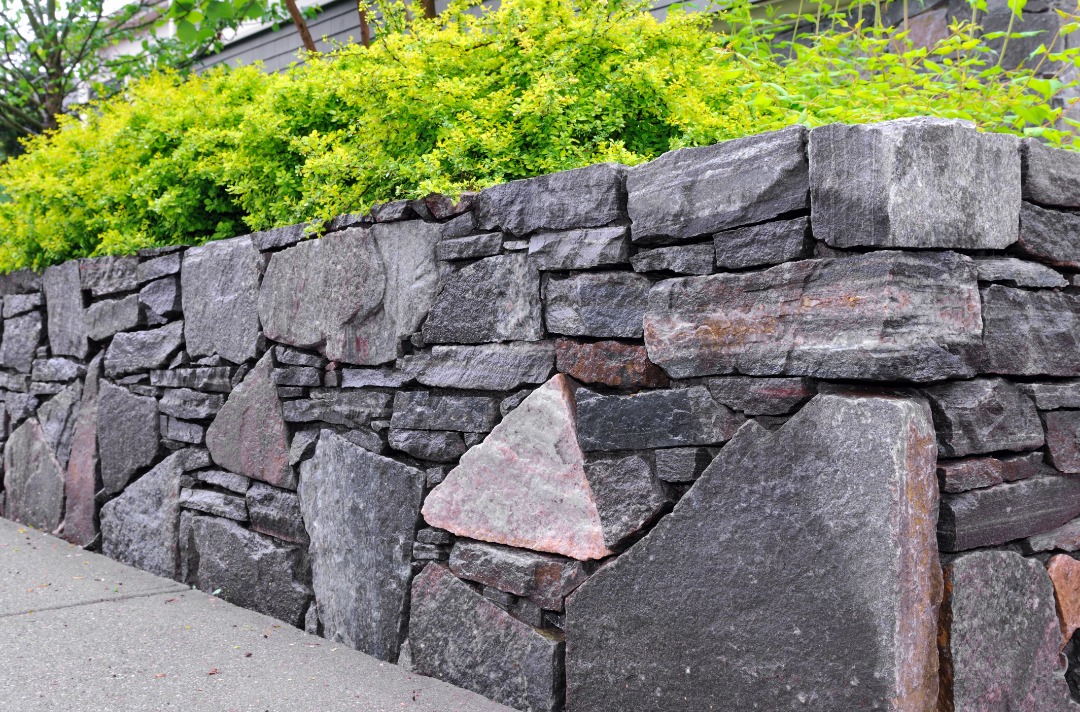
Anchored retaining walls are ideal for projects that require extra stability due to steep slopes or heavy loads of soil. They are reinforced with cables or anchors that extend deep into the earth behind the wall, providing additional strength to resist the pressure from the retained soil. These walls are particularly effective in areas where gravity-based walls might not offer sufficient support.
Ideal for Small Spaces
One of the key benefits of anchored retaining walls is their ability to be installed in tight spaces. Since the anchors are placed into the soil or bedrock, these walls require less horizontal space compared to traditional retaining walls. This makes them an excellent option for urban settings or areas with limited room for large wall structures.
Conclusion
When choosing the right type of retaining wall for your landscape, it’s essential to consider the height of the wall, the materials used, and the specific needs of your terrain. Gravity retaining walls are simple and effective for smaller projects, while cantilevered walls offer more stability for taller installations. Segmental retaining walls are flexible and customizable, perfect for a variety of landscaping designs, and anchored walls provide extra strength in extreme conditions.
By understanding the differences and benefits of each type of retaining wall, homeowners can make an informed decision that enhances both the function and beauty of their outdoor space. Whether you’re looking to prevent erosion, create a garden terrace, or simply add a decorative element, there’s a retaining wall solution that’s right for you. Get in touch with us today for hardscaping, landscaping, patio services and more!
Andy Scott

Caleb is a hard worker and does a great job!! He does quality work at a great price. I would highly recommend him and his crew for any job.
Andy Scott
I have hired TruEdge Lawn Care for several landscaping projects and have been very pleased with the service! I will continue to hire them for future projects!I highly recommend this company!
Andy Scott
Caleb/TruEdge was recommended to me when the previous lawn service stopped serving my area. I have found he and his crew to be honest and reliable for several years now. I learned I could trust him to take care of my lawn even while I was gone for an extended period of time. And now he continues to provide reliable service for my elderly father. Thanks for your hard work and dependability!
Andy Scott
These guys do an amazing job! Haven't had a problem. They're responsible and I look forward to them cutting our grass. You can choose when you want your grass cut and they will work with you. We don't have a mower and we were looking for someone to cut our grass, our grass was really bad, it was up to My knees about and they took care of it all. Highly recommended.
Andy Scott
Wonderful and respectful crew! Do great work in a timely manner! Always professional and willing to work with what you want and your budget. Would recommend for small or large jobs! Has completed . tree removal and grading of my lawn. Best guys around!!!
Andy Scott
Would definitely recommend this crew! They always show up, do a great job and are professional. Very easy to pay which is also a plus! Any questions or concerns, Caleb is quick to get back to you. Highly recommend!
SERVICES
Landscaping
Mulching
Lawn Mowing
Sod
Retaining Walls
Pavers
Patios
Yard Cleanups
Drainage
Hardscaping
SERVICE AREAS
Johnson City
Bristol
Jonesborough
Elizabethton
Kingsport
Bluff City
Blountville
Gray
Butler
Central
Bloomingdale
Colonial Heights
Hampton
Hunter
Oak Grove
Pine Crest
Piney Flats
Roan Mountain
Spurgeon Unicoi
Walnut Hill
Watauga
White Rock
Wilbur
Winner
Woodlawn
Woodrow
Boring

"*" indicates required fields