 (423) 440-7073
 info@truedgelawn.com
Simple Retaining Wall Tips: Drainage, Upkeep, and Planting
Introduction: Retaining walls play a crucial role in both the functionality and appearance of your landscape. Whether you’ve recently installed a new wall or are caring for an existing one, knowing how to properly maintain it can protect your investment for years to come. From keeping drainage flowing smoothly to adding life with plants, caring for a retaining wall isn’t just about structure—it’s about style and longevity. In this guide, we’ll walk you through essential tips that focus on drainage, general upkeep, and how to thoughtfully landscape around your wall for a finished look.
Retaining Wall Drainage Tips
Why Drainage Is Critical
Without proper drainage, retaining walls can fail—literally. One of the most common causes of wall collapse is water pressure building up behind the structure. When water doesn’t have a way to escape, it exerts force against the wall, which can cause cracks, bowing, or a complete breach. Properly managed drainage ensures your retaining wall remains stable through wet seasons and heavy rainfall. It’s not just an add-on; it’s part of the wall’s foundation.
Simple Ways to Manage Water Flow
Managing water starts before you even build a wall, but if your wall is already up, there are still ways to improve drainage. One approach is to inspect and clean out existing drainage pipes regularly. Look for signs of blockage or slow water flow after heavy rain. If water tends to pool near the base of the wall, consider adding gravel backfill behind the wall or installing perforated drainpipes to channel water away. French drains and weep holes are additional features that can help with long-term moisture management.
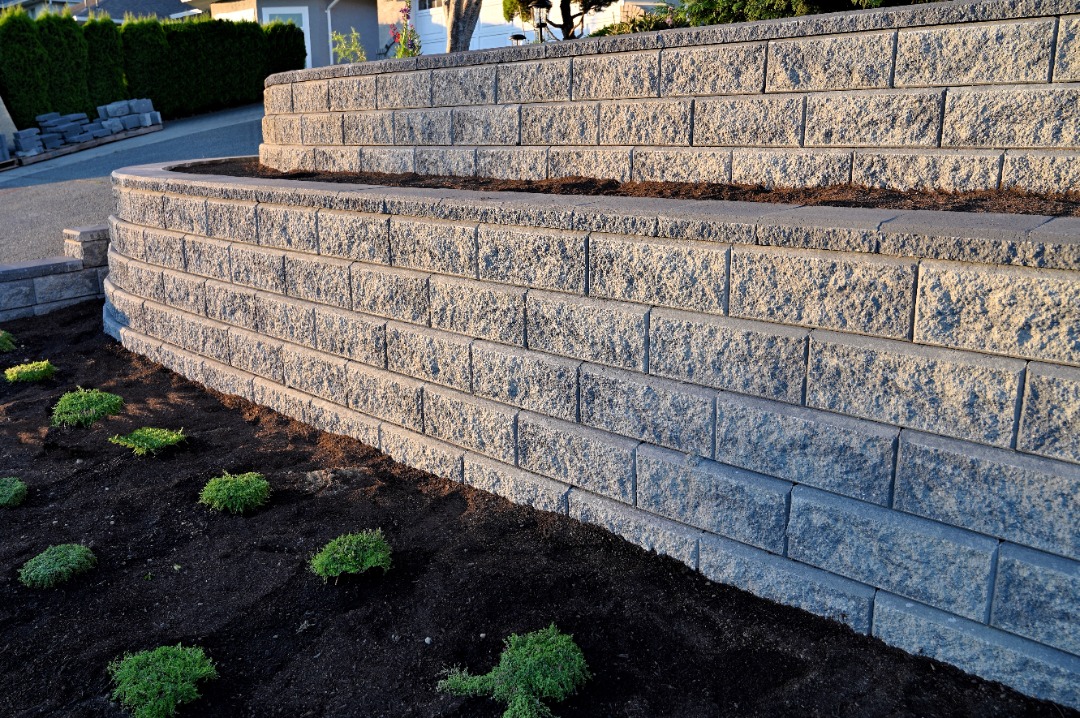
Retaining Wall Maintenance and Repairs
Keeping Walls Structurally Sound
Like any part of your landscape, retaining walls require occasional inspection and upkeep. Small cracks in a concrete or stone wall may seem harmless at first, but over time, they can widen and compromise the wall’s integrity. Catching these early and sealing them with appropriate materials can save you from costlier structural repairs later. Check for signs of leaning, bulging, or shifting stones, as these can indicate deeper issues with the wall’s foundation or base.
Preventing Common Issues
One of the best things you can do to prevent problems is to monitor the surrounding soil and landscaping. Excess moisture from overwatering nearby plants or poor yard grading can increase stress on the wall. Avoid piling heavy soil or mulch directly against the structure, especially above the intended height. During the winter months, watch for frost heaving—frozen ground that pushes the wall upward—and act quickly if you see separation between the wall and ground.
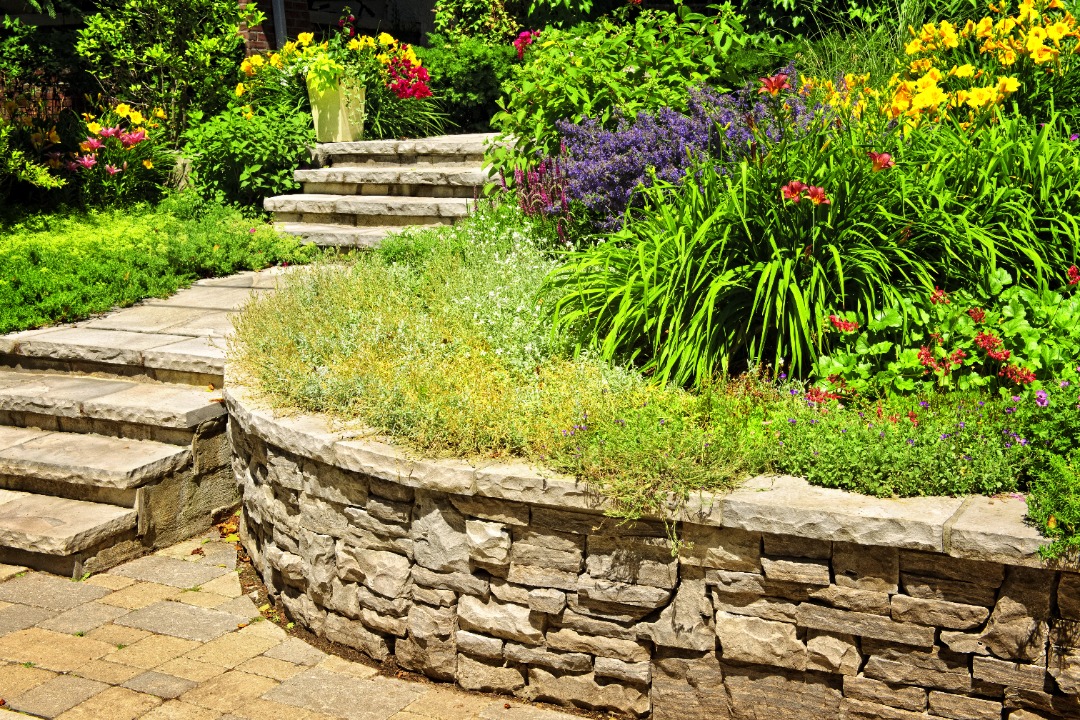
Landscaping and Planting Around Retaining Walls
Enhancing Aesthetic Value
Planting around your retaining wall does more than boost curb appeal—it helps the wall blend naturally into the landscape. Whether your wall is terraced or flat-faced, choosing the right plants can soften harsh lines and add seasonal color. Select low-maintenance greenery such as creeping thyme, ornamental grasses, or dwarf shrubs. These options require minimal water and won’t interfere with the wall’s structure or drainage systems. Avoid deep-rooted plants that could shift stones or blocks over time.
Tips for Plant Placement
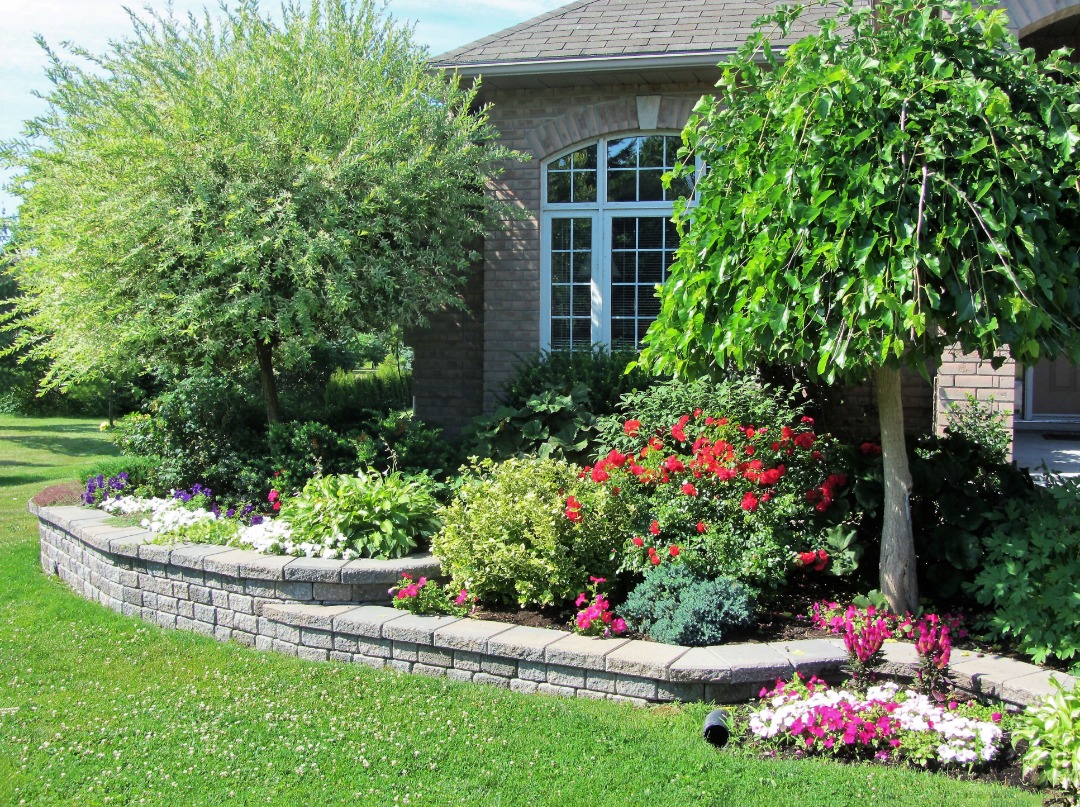
When planning your landscaping, keep spacing and sun exposure in mind. Plants that crowd each other or grow too tall can overshadow your wall and block airflow, which could contribute to mold or moisture buildup. Instead, place shorter, sun-loving plants toward the front and stagger taller greenery further back. If your wall has built-in planter boxes or terraces, fill them with native perennials for a sustainable and resilient display. Mulching can also help retain moisture and suppress weeds without putting pressure on the structure.
Conclusion
Caring for a retaining wall is about more than just occasional cleaning—it’s a combination of smart drainage design, routine maintenance, and thoughtful landscaping. Whether you’re managing runoff, sealing small cracks, or planting hardy greenery, your efforts today help ensure your retaining wall remains attractive and functional for years to come. With these simple tips, any homeowner can take control of their retaining wall upkeep with confidence. Get in contact with us to learn more about our retaining walls, landscaping, lawn mowing, mulching and more!
Andy Scott

Caleb is a hard worker and does a great job!! He does quality work at a great price. I would highly recommend him and his crew for any job.
Andy Scott
I have hired TruEdge Lawn Care for several landscaping projects and have been very pleased with the service! I will continue to hire them for future projects!I highly recommend this company!
Andy Scott
Caleb/TruEdge was recommended to me when the previous lawn service stopped serving my area. I have found he and his crew to be honest and reliable for several years now. I learned I could trust him to take care of my lawn even while I was gone for an extended period of time. And now he continues to provide reliable service for my elderly father. Thanks for your hard work and dependability!
Andy Scott
These guys do an amazing job! Haven't had a problem. They're responsible and I look forward to them cutting our grass. You can choose when you want your grass cut and they will work with you. We don't have a mower and we were looking for someone to cut our grass, our grass was really bad, it was up to My knees about and they took care of it all. Highly recommended.
Andy Scott
Wonderful and respectful crew! Do great work in a timely manner! Always professional and willing to work with what you want and your budget. Would recommend for small or large jobs! Has completed . tree removal and grading of my lawn. Best guys around!!!
Andy Scott
Would definitely recommend this crew! They always show up, do a great job and are professional. Very easy to pay which is also a plus! Any questions or concerns, Caleb is quick to get back to you. Highly recommend!
SERVICES
Landscaping
Mulching
Lawn Mowing
Sod
Retaining Walls
Pavers
Patios
Yard Cleanups
Drainage
Hardscaping
SERVICE AREAS
Johnson City
Bristol
Jonesborough
Elizabethton
Kingsport
Bluff City
Blountville
Gray
Butler
Central
Bloomingdale
Colonial Heights
Hampton
Hunter
Oak Grove
Pine Crest
Piney Flats
Roan Mountain
Spurgeon Unicoi
Walnut Hill
Watauga
White Rock
Wilbur
Winner
Woodlawn
Woodrow
Boring

"*" indicates required fields